

Xylitol
Xylitol, also known as birch sugar, is a sugar alcohol originally extracted from birch bark but also found in other plants such as corn and fruit. Chemically, xylitol belongs to the group of polyols, a type of carbohydrate that provides fewer calories than sugar. It has about 40% fewer calories than regular table sugar and imparts a similar sweetness to foods and drinks.
Unlike sugar, xylitol is metabolized more slowly in the body, resulting in a smaller rise in blood sugar levels, and may therefore be of particular interest to people with diabetes.
Xylitol in cooking
Xylitol is not only a popular sugar substitute, but it’s also well-suited for cooking and baking. Due to its crystalline structure, it can be used in many recipes in a one-to-one replacement for sugar. A particular advantage is that xylitol remains stable when heated, so it doesn’t develop bitterness or an unpleasant aftertaste during baking.
Another benefit of xylitol is that, unlike other sweeteners, it stabilizes the structure of doughs and baked goods. Therefore, it can also be used in the production of cakes, cookies, and other confectionery. Some bakers even prefer it in making jams and preserves, as it provides a sweet taste without increasing the sugar content.
Xylitol in dental prophylaxis
Xylitol plays an important role in dental prophylaxis. While sugar is a breeding ground for bacteria that cause cavities, xylitol has a cavity-inhibiting effect. It prevents the growth of bacteria in the mouth and reduces acid production, which can lead to tooth damage.
On the internet, you can find platitudes like this on this topic: “Regular intake of xylitol, for example in the form of chewing gum or toothpaste, helps to protect teeth and reduce the risk of cavities.” How can we imagine this?
First, an important point: the primary form of anaerobic energy production is called glycolysis. In this process, monosaccharides, i.e., simple sugars, are broken down, allowing the cell or bacterium to gain energy. The end product is, among other things, lactic acid, which in turn represents an acid attack = cavity attack.
At the beginning of the glycolysis reaction chain, a bacterium cannot distinguish between a simple sugar and xylitol. The process then begins until the molecular difference between monosaccharide and xylitol stops the reaction. In our case, this prevents the bacterium from producing lactic acid.
It’s similar to putting diesel fuel into a gasoline car. It works fine for a while until the car eventually stalls. And that’s exactly how xylitol works in dental prophylaxis!
And that’s the trick
We’ve seen that xylitol is the wrong fuel for bacteria. We take advantage of this precisely when we know we’re about to consume something sugary.
Immediately before eating chocolate or similar sweets, chew a xylitol gum for two minutes. This slows down the bacteria’s energy metabolism. And that’s exactly when we can enjoy something sweet without it being a risk factor for tooth decay.
Pretty clever, isn’t it?
And who are these sugar addicts we (have to) use this method on? – They’re mainly teenagers. That’s just how it is!
Health risks of xylitol
Although xylitol is considered relatively safe, there are some health risks to be aware of.
A common side effect of consuming xylitol is indigestion, particularly bloating, diarrhea, or stomach cramps. This is because xylitol is fermented by bacteria in the gut, producing gas. Especially with larger quantities, this can lead to unpleasant symptoms. Therefore, xylitol should be consumed “in moderation” (a rather vague statement!), especially if the body is not accustomed to it.
In one study, more than 3,300 patients were observed over three years. Patients with high xylitol concentrations in their blood had a 57% increased risk of strokes and heart attacks compared to the control group.
Most studies on the subject suggest that xylitol, when consumed “moderately” (what does that even mean?!), has no negative effects on the cardiovascular system.
Finally
Due to the health risks, I believe xylitol should only be used where it’s unavoidable, and even then, only in the smallest possible doses.
Replacing regular table sugar with xylitol isn’t a good idea, in my opinion. A much better approach would be to wean yourself off sweets altogether, or at least reduce your intake significantly. That would be the best way to benefit your health!
Think about it!
Author: drw
If you want to know more…
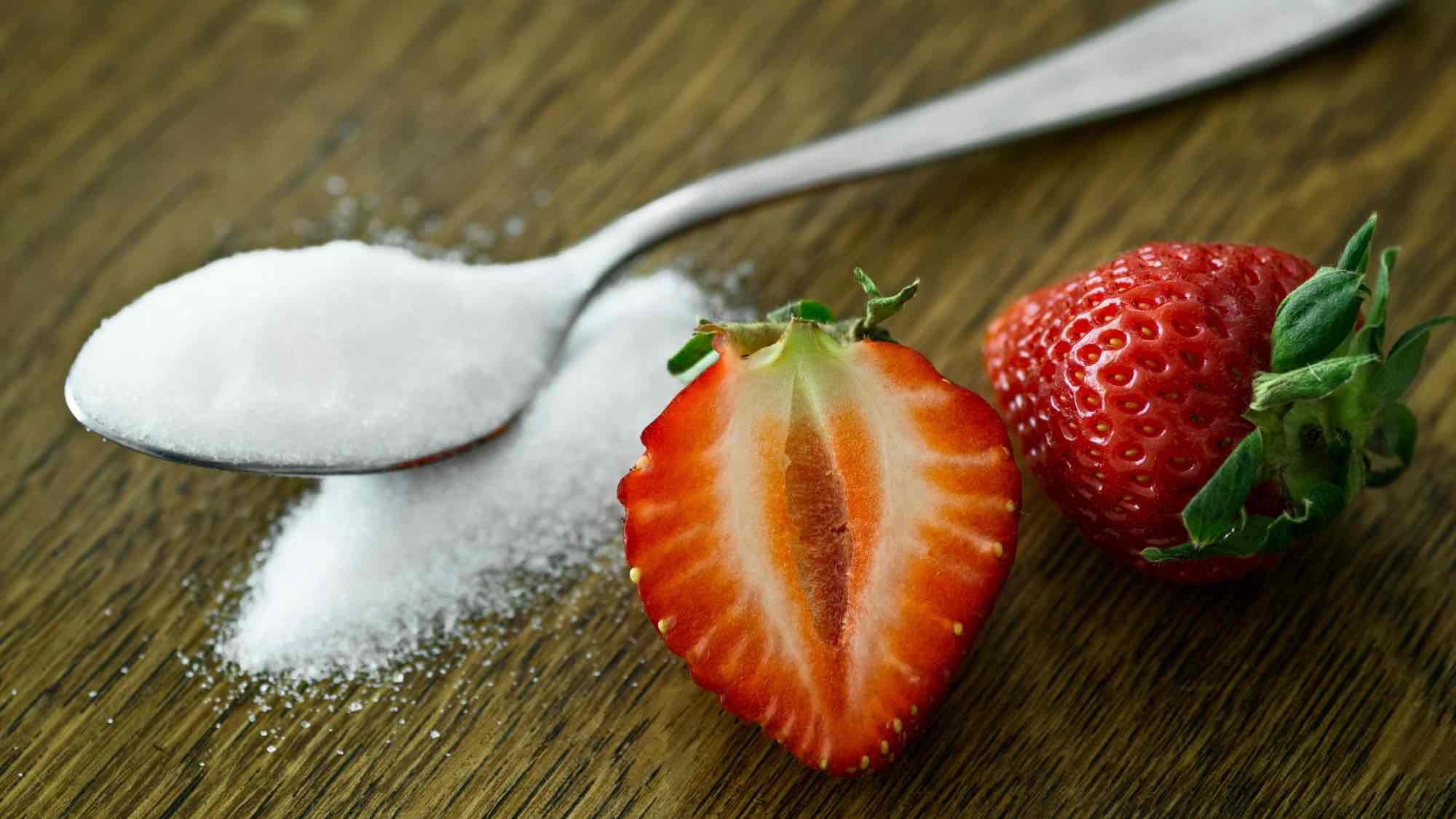
Xylitol is promoted in the public sphere as a sugar substitute, but the risks are conveniently ignored. Replacing sugar with xylitol means tolerating unhealthy habits (i.e., excessive sugar consumption) along with other risks. Does that really make sense?
Think about it!